

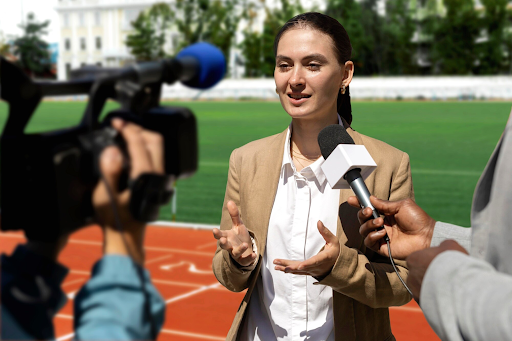
College is the ideal time to investigate sports media and start building a career in the industry. This time provides a special chance for students interested in sports journalism, broadcasting, or digital media to begin developing talents, producing material, and acquiring knowledge. Many prominent sports media professionals began their careers while still in school, utilizing their undergraduate years as a springboard for future chances. But the main issue is how to get into sports media, how to get in sports media, how to get in sports media, and how to develop a solid basis for your future.
Although it can appear difficult, sports media is a huge profession including everything from digital content development to broadcasting to writing and reporting. Many students are keen to know what is sports media and how it includes a great spectrum of responsibilities. Whether you’re in the sports media industry, the first step is to get engaged in production.
Merging Education with Sports Media Experience
Joining the sports media business requires a mix of knowledge, experience, and time management in addition to passion; it is not enough to only passion. With its rigorous studies, interests, and social responsibilities, college life might make it difficult to focus entirely on acquiring the expertise you want to operate in your sector. The key is to make the most of your time and find ways to blend your professional and educational objectives.
Students concentrating on improving their abilities in sports media could find it difficult to juggle employment, college, and internships as well. In this situation, success depends on time management and delegating, hence one should keep this in mind. However, many students are left wondering, “And who will do my assignment for me if I have to work?”. One practical solution is to seek assistance from Edubirdie writing service. Practical skills are clearly growing more and more vital in modern society. Therefore, feel free to assign your paperwork to professionals so you may acquire great job experience even while you fulfill your academic responsibilities. Real-world knowledge will be significantly more useful in the future than theoretical knowledge by itself.
Start Gaining Real-World Experience
One of the greatest ways to get a job in sports media while still in college is to get hands-on experience. Most colleges provide student-run media sources including television channels, radio stations, and newspapers. These channels offer a great platform for writing, broadcasting, and generating content. You can learn how to cover local sports events, interview players, and report on sports by joining your college’s sports section, which can help you develop a portfolio of possible employers.
For those wondering how to get into sports broadcasting, getting involved with campus media is a great start. You can broadcast live events, sports commentary, or on-air reporting. You can position yourself to enter the sports industry professionally once you graduate with a degree in sports media by building up your confidence and experience.
Build a Strong Portfolio and Network
One of the first things to do in starting a career in sports media is to create a solid portfolio. Your portfolio acts as a demonstration of your talents and abilities, regardless of how you create articles, podcasts, films, or social media material. A well-curated portfolio not only shows your ability but also emphasizes your versatility as a content developer (external link). How to get a job in sports media is important since companies want to see a demonstrated track record of both originality and profession.
Networking is also quite important. The subject of how to get a sports media job in sports journalism is frequently asked. Attending conferences, networking events, and internships can help you interact with industry specialists who can offer direction and prospective job leads. You’ll be much closer to getting a position in the sports media industry as you gain more hands-on experience and grow your network.
Work on Your Writing and Communication Skills
Good writing and communication abilities are really crucial regardless of whether your interests are in sports journalism, broadcasting, or reporting. Your ability to write compelling narratives about teams, athletes, and games will determine your career as a sports writer. Similarly, if you’re curious about how to be a sports broadcaster, being able to speak effectively and interestingly on-air is a talent you will have to develop. Concentrate on how to enter sports writing and practice by routinely producing digital content or articles highlighting your voice and style.
Apart from this, many students working for a sports media degree can also benefit from classes in digital media creation, broadcasting methods, and public speaking. These skills will help you to report, write, and broadcast well, hence arming you for success in the competitive sports media field.
Embrace Digital Media and Technology
In the internet era, sports media is more than simply traditional broadcasting or print journalism. It covers content production on several channels including streaming services, podcasts, blogs, and social media. The need for students to develop their digital abilities, from video editing to social media management and content marketing, is reflected in the shift in priorities that students in the sports industry are experiencing. The response to the question of what degree you need for sports broadcasting increasingly entails understanding of both classic broadcasting approaches and current digital technologies.
Sports media is expanding for digital platforms to continue to develop. Understanding how to create engaging online content and how to manage a YouTube channel, podcast, or digital broadcast will give you a significant advantage when entering the field.
The Value of Acquiring Industry Experience
Real-world experience in sports media is what distinguishes you from the rivals in the industry. Although having academic knowledge is great, you also have to be able to use it in practice. Volunteering, internships, and freelancing may help you build a network of contacts and provide you great industry exposure. Internships and practical projects can help whether your goal is to acquire a degree in sports or to play sports.
Many sports media positions need not only knowledge but also the capacity to operate under pressure, meet fast deadlines, and engage with people. You will be more equipped to succeed in the competitive world of sports media the more time you spend practicing in real-world environments.
Conclusion: Building Your Sports Media Career
Whether you’re asking how to get a sports journalism job or how to get a sports media job, college is a good place to start. Interacting with campus media, internships, personal projects, and other chances offered by the foundation to be a successful candidate makes college the perfect environment to start your career. With the correct commitment and practice, you can break into the sports media industry and carve out a space for yourself in one of the most fascinating and dynamic areas in the world.
